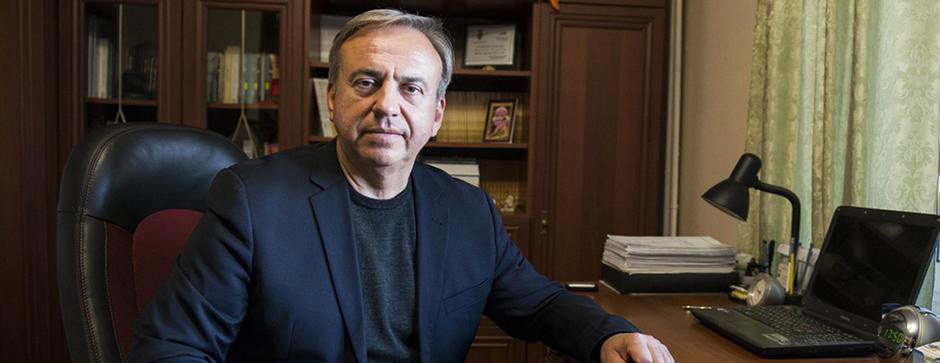
Belarusian scientist Yurii Bandazhevsky assessed for DW the ecological situation in the region 30 years after the explosion at the Chernobyl nuclear power plant. In his opinion, the victims of the accident did not receive effective help.
The authorities of Belarus and Ukraine are gradually increasing the area of territories where residence and some types of economic activity are allowed after the accident at the Chernobyl nuclear power plant. Thus, according to the January resolution of the Council of Ministers of the Republic of Belarus, since 2016, another 203 settlements have been excluded from the territories contaminated by radiation. Currently, 2,193 settlements, where about 1.1 million Belarusians live, are considered affected.
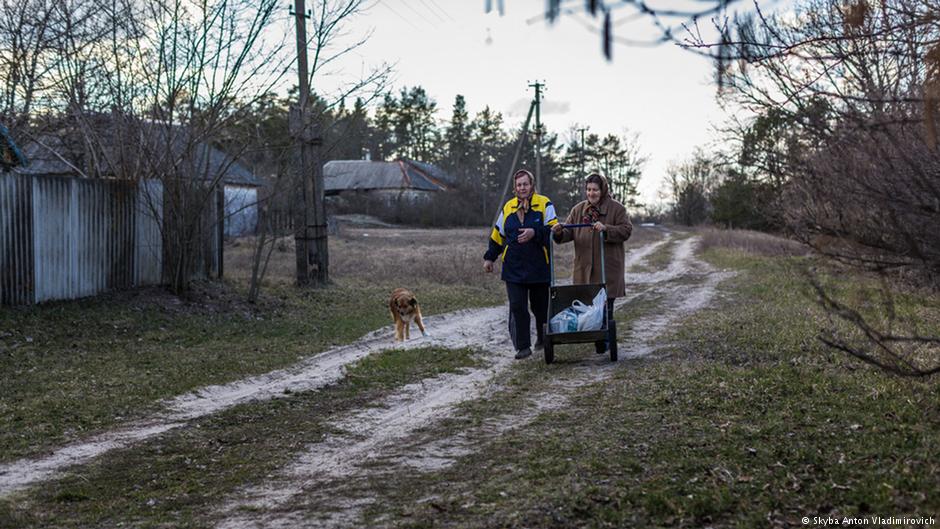
Residents of the Chernobyl region
According to the Ministry of Ecology of Ukraine, the exclusion zone with a ban on residence will also be limited to a 10-kilometer radius, and outside the 30-kilometer zone of the Chernobyl nuclear power plant - in the 2nd and 3rd zones, where previously only forced and voluntary resettlement was allowed, it will be allowed to live.
In an interview with DW, the head of the Kyiv Coordinating Analytical Center "Ecology and Health", Doctor of Medical Sciences, Yuriy Bandazhevsky, assessed the situation in the region 30 years after the reactor explosion at the Chornobyl NPP. The center deals with the problems of the impact of radiation on the human body and the development of measures to reduce its harm.
DW: How safe is the health situation in the regions around Chernobyl now?
Yuriy Bandazhevskyi: I believe that even three decades after the accident at the Chernobyl nuclear power plant, the situation has not changed so much that it is possible to live and conduct agricultural activities in these territories without worry. Yes, the radiation background of cesium-137 and strontium-90, which have a half-life of about 30 years, has really decreased. But the half-life product of cesium is barium, which is practically not removed from cells.
The danger is that constant exposure to radioactive elements, as it has been for many years, is enough to cause harm to health. You can say as much as you want that the radioactive background has decreased, and if you walk on the surface with a dosimeter, you can say that everything is fine. But radionuclides have migrated into the soil layer, they enter the biological chains of plants, animal and human organisms, they affect the cells of vital organs. They are trying to ignore those who talk about safe living in the territories affected by the accident at the nuclear power plant.
DW: What diseases are most characteristic in regions close to Chernobyl?
I started studying the changes that occur in the human body under the influence of radioactive elements together with my colleagues in the fifth year after the Chernobyl nuclear power plant explosion, when I worked in Belarus and organized a medical university in Gomel. At that time, we recorded serious pathologies of internal organs - the brain, heart, endocrine system, which could be assessed as a result of direct radiotoxic exposure. But the official structures did not want to connect causes and consequences. Meanwhile, many children died in the Vetkiv district of Belarus, whom we observed in 1993-1995.
Radionuclides provoke disruption of the genetic apparatus of cells, which ensures normal tissue growth. For example, in the Ivankiv district, located next to the Chernobyl station, and in Polissia, Belarus, the children examined by the "Ecology and Health" center showed a very high level of metabolic processes, indicating the presence of various pathologies. And the adults who live there have a high rate of oncology.
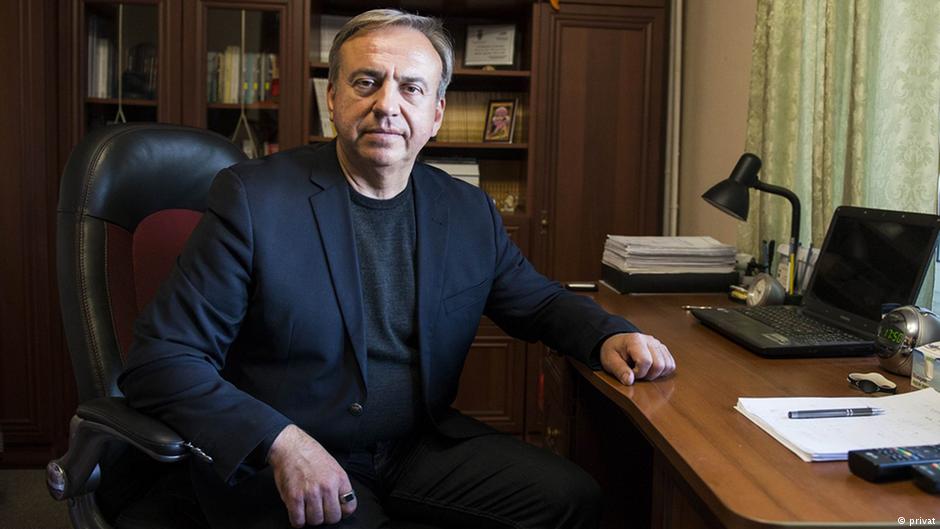
Yuriy Bandazhevsky
It should be taken into account that victims of the impact can also be those who live at significant distances from the Chernobyl nuclear power plant, but receive food from there. In Belarus, after the Chernobyl accident, some smart people invented mixing "clean" products with "dirty" ones. In the Gomel region, contaminated land was first secretly and then openly used to obtain agricultural products, and grain was fed to cattle from there. Products from the region are delivered throughout the republic. Now it has come to the point that these territories themselves are transferred to the category of "clean" and save on social benefits.
DW: How effectively are the development of measures to reduce radiation damage to the human body implemented in practice?
The more I study the consequences of the Chernobyl disaster, the more I understand the helplessness of scientists who can only state the existence of problems 30 years after the explosion at the Chernobyl nuclear power plant. Yes, we try to help children with cancer within the framework of programs financed by the European Union. But we cannot provide effective assistance to all accident victims and prevent the occurrence of diseases. This requires a different approach, and the authorities do not respond at all to calls to protect people's health.
I ask myself this question - what to do? In order for genetic disorders not to be detected, it is necessary to resettle a huge number of people, feed them with perfectly clean products that not only do not contain radioactive elements, but also their decay products. This is practically impossible on the territory of poor, corrupt countries. The authorities are not interested in establishing any connection between diseases and the radiation factor, although it exists and will exist.
It is unprofitable to admit it, there is no money. Especially in Belarus, where a nuclear power plant is being built in Ostrivka. I think that this prank can bring a lot of grief. I draw this conclusion from the situation in Ukrainian and Belarusian Polissia, where people have suffered and will continue to suffer for decades from the consequences of the disaster at the Chernobyl nuclear power plant.
Source: http://www.dw.com/ua/yuriy-bandazhevskyi-consequences-of-chernobyl-to-recognize-unprofitable/a-19195053