May 3, 2022
We must save victims of the war in the Chernobyl area
26.04.2022 | Castlebar, IRELAND

Scientific research and radiation impact monitoring
Medical, social and legal support for survivors
International solidarity and partnership with France
News chronicle, reports, interviews and public announcements
26.04.2022 | Castlebar, IRELAND
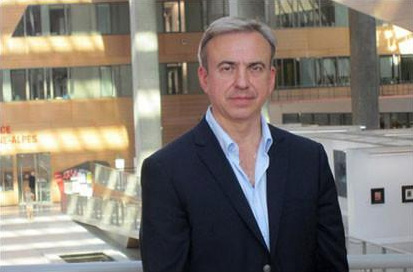
On the eve of the next anniversary of the accident at the Chornobyl NPP, comments by a well-known doctor, professor, ex-rector of the Gomel Medical University Yuriy Bandazhevsky appear in the press. From a personal matter In 1990, 33-year-old Professor Yuriy Bandazhevskyi moved from Grodno to Gomel and headed the newly opened medical institute. He immediately started studying the effects of small doses of radiation on the human body. University scientists, led by the rector, proved a cause-and-effect relationship between the effect of radiation on the human body and the occurrence of a number of serious diseases. However, in 1999, Professor Bandazhevsky was arrested, found guilty of accepting a bribe and sentenced to 8 years. Human rights activists declared Bandazhevsky a political prisoner, saying that the real reason for the criminal prosecution of the scientist was not a bribe, but his disagreement with the policy of the Belarusian authorities in dealing with the consequences of the Chernobyl accident. In 2005, Bandazhevsky was released on parole and literally immediately left the country. First to France, then to Lithuania. Where does the scientist work now? How did you celebrate your 60th birthday? What scientific developments is he engaged in? Does it often happen in the homeland?
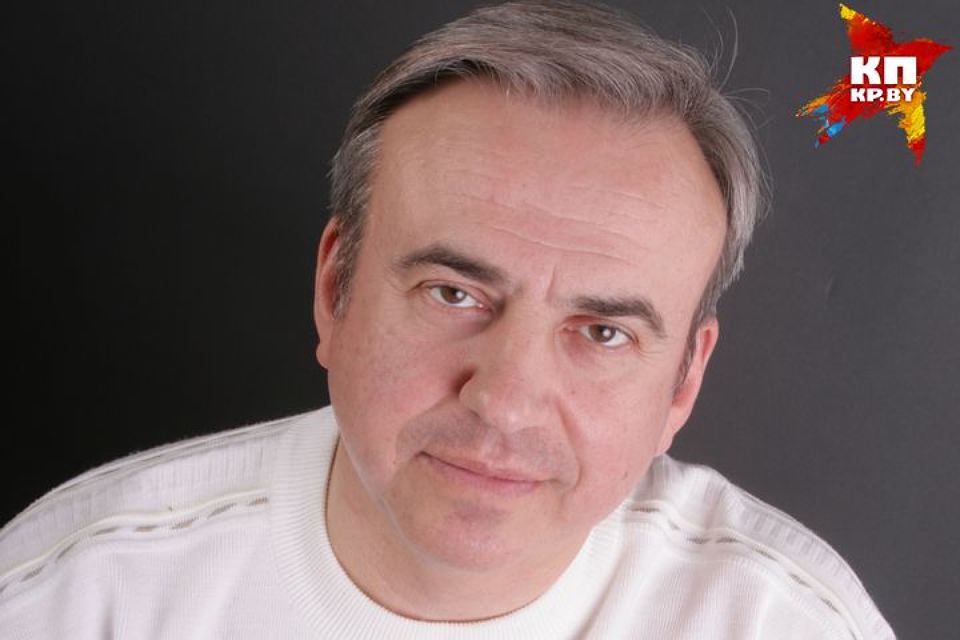
On the eve of the 31st anniversary of the disaster at the Chernobyl nuclear power plant, the famous specialist in radiation medicine Professor Yuriy Bandazhevskyi told Komsomolka what has happened to radiation over the past three decades - Yuriy Ivanovych, 31 years have passed since the disaster at the Chernobyl nuclear power plant, many have already forgotten about radiation, besides, the growth of oncology is recorded all over the world, connecting it with urbanization and environmental pollution... - Everything that is happening now in the territory contaminated with radiation is extremely dangerous. We see this when we investigate the health status of children in the areas located next to the Chernobyl NPP on the Ukrainian side, where I currently live and work. These areas were less affected, the wind rose in April 1986 was aimed at Belarus. I remember how one Belarusian mammologist, a professor, claimed 10 years ago that breast cancer cannot be connected with the consequences of the disaster at the Chernobyl nuclear power plant. Today, we are registering a serious increase in cancer cases in the territories close to Chernobyl. And there are a number of scientific publications from the Cancer Institute that there is a progressive increase in the number of breast cancer cases, especially among young women, in the territory contaminated with radionuclides. According to the conclusion of Ukrainian scientists, the radiation factor may be one of the main reasons for the development of this malignant disease. And I am glad that Ukrainians are not afraid to honestly admit the situation, trying to change it.
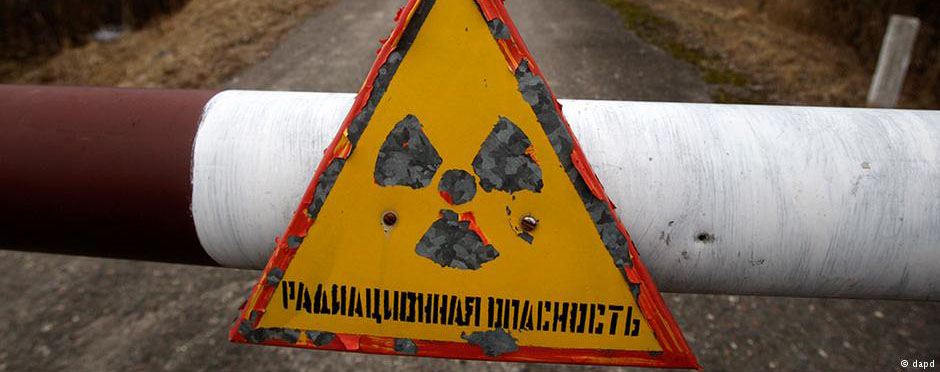
Dairy products go to the Russian Federation from a nuclide-contaminated zone in Belarus, but the journalist who wrote about it was put on trial. How much strontium can be in Belarusian milk, DW found out. In April 2016, the Associated Press (AP) journalist Yury Karmanov received a certificate of 10 times the norm of strontium-90 in milk at the Minsk city center of hygiene and epidemiology. As a private individual, he submitted for inspection milk from a farmer who grazes cows in the territory contaminated by radioactive fallout after the Chernobyl accident, and supplies his raw materials to the local dairy company Milkavita. The danger of excess strontium for the human body has been proven. But after the publication of Karmanov's article on the AR website about the problem of food production on the lands of the Polisky State Radiation and Ecological Reserve, which includes the 3 Belarusian districts most contaminated by the Chernobyl nuclear power plant explosion - Bragynskyi, Narovlyanskyi and Khoynitskyi - "Milkavita" demanded a refutation from the journalist.
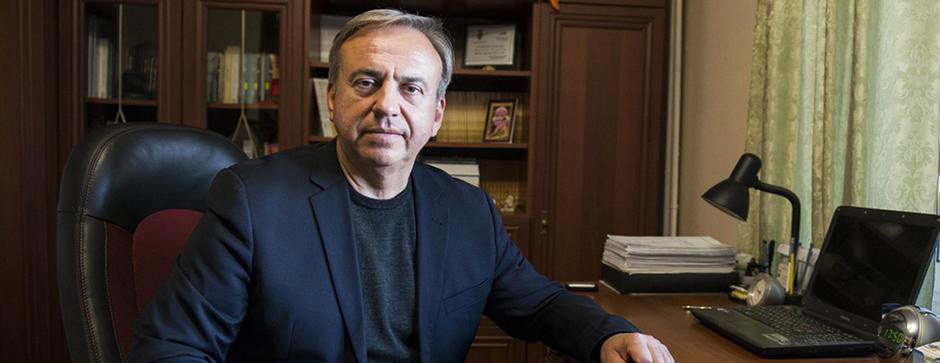
Belarusian scientist Yurii Bandazhevsky assessed for DW the ecological situation in the region 30 years after the explosion at the Chernobyl nuclear power plant. In his opinion, the victims of the accident did not receive effective help. The authorities of Belarus and Ukraine are gradually increasing the area of territories where residence and some types of economic activity are allowed after the accident at the Chernobyl nuclear power plant. Thus, according to the January resolution of the Council of Ministers of the Republic of Belarus, since 2016, another 203 settlements have been excluded from the territories contaminated by radiation. Currently, 2,193 settlements, where about 1.1 million Belarusians live, are considered affected.
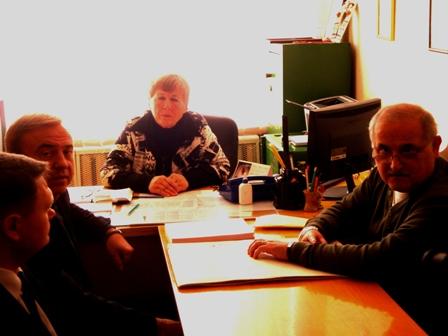
The studies carried out in 2014-2015 by the Professor Yury Bandazhevsky and Associate Professor Nataliya Dubovaya with the help of public health institutions and international organisations showed that a significant number of children from families in Ivankov and Polesie districts chronically living in the territory contaminated by radioactive substances due to the Chernobyl nuclear power plant accident have considerable health problems. Given the nature of changes in the child’s body, one should anticipate that in the future, as a child grows, these problems may provoke severe diseases ending in death or disability [a collection of scientific articles «Ecology and Health», № 1, 2, 3].
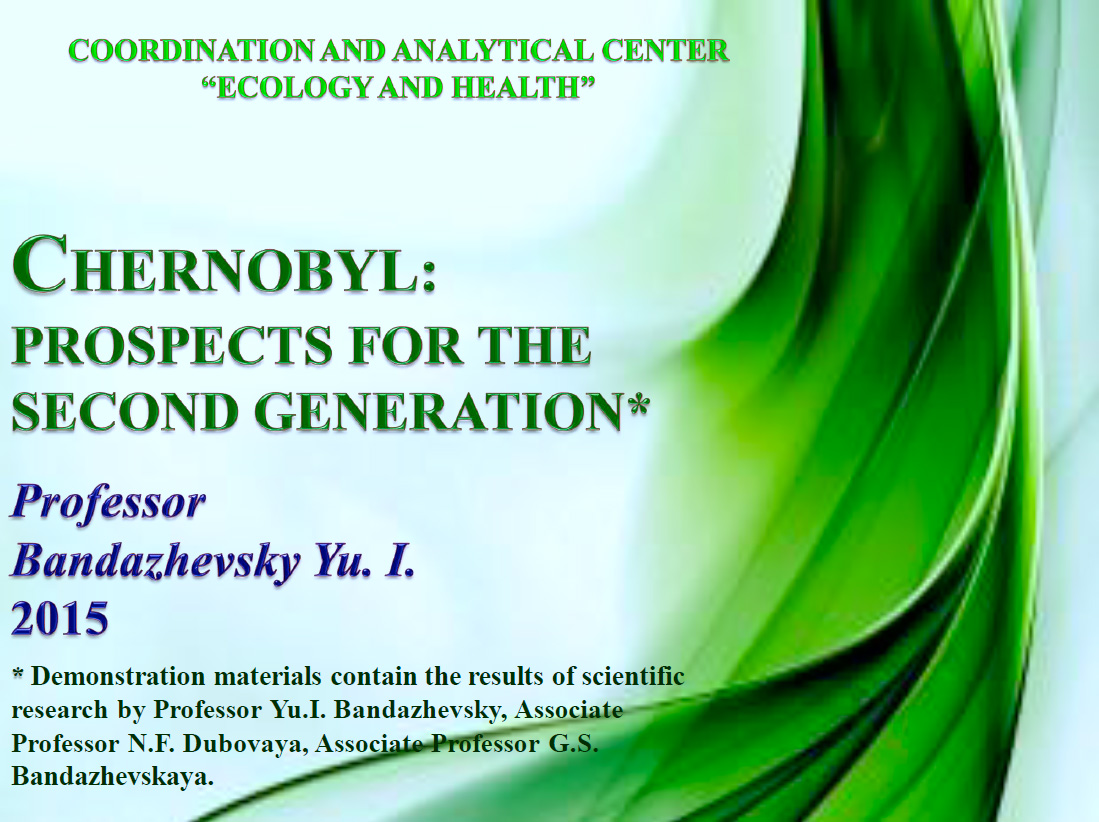
Multimedia slides of the presentation by Professor Yu.I. Bandazhevsky at the conference “Chernobyl: Prospects for the Second Generation” (April 22, 2015, Paris, 2nd Arrondissement Town Hall), held with the participation of Member of the European Parliament Michèle Rivasi and former Minister of Ecology of France, former MEP and attorney Corinne Lepage. Download presentation in PDF
Since 2013, the European Commission has launched in Ukraine a large-scale humanitarian project aimed at social support of the population in Ivankov district closest to the Chernobyl nuclear power plant. Under this project, complex research will be carried out dedicated to the assessment of the impact of environmental factors on human health. In this regard, we are recruiting staff members and postgraduate students to work in a research group in a physico-chemical, biological and radiological analysis laboratory. Applications will be considered from candidates with a university degree in a physico-chemical, biological (including Plant Physiology and Agricultural Chemistry) and medical field, with experience of working in analytical laboratories and laboratories of Experimental Biology and Medicine. Deadline for applications and CV is October 1, 2014, to be sent to: yuri.by375@gmail.com , schwartau@mail.ru , n_dubova@i.ua .