Ecology and Health Coordination and Analytical Centre, Ukraine (Kyiv 2026)
Our research over many decades allows us to draw a number of important
conclusions regarding the radiation impact on the human population following
the accident at the Chornobyl nuclear power plant (ChNPP).
The Chornobyl accident resulted in the release of a huge amount of radioactive
elements into the environment, predominantly 137Cs. This radionuclide decays
with the release of gamma and beta radiation, forming stable 137Ba.
137Cs entered and continues to enter the bodies of residents of the affected areas
primarily through the enteral route with food of animal and plant origin.
In the USSR, as well as several independent states that emerged as a result of its
dissolution, permissible levels of 137Cs and 90Sr in food products were
established by law.
The rationale for creating these regulations was economic feasibility, based on
the existence of agricultural products with certain levels of 137Cs and 90Sr in
various years after the Chornobyl accident.
As the specific activity of these radionuclides in food products decreased,
regulatory requirements were tightened.
However, this did not exclude the constant intake of radioactive elements into
the human body.
Thus, the legislation permitted the enteral ingestion of significant quantities of
137Cs and 90Sr.
However, the impact of these radionuclides on the health of children and adults
was not determined.
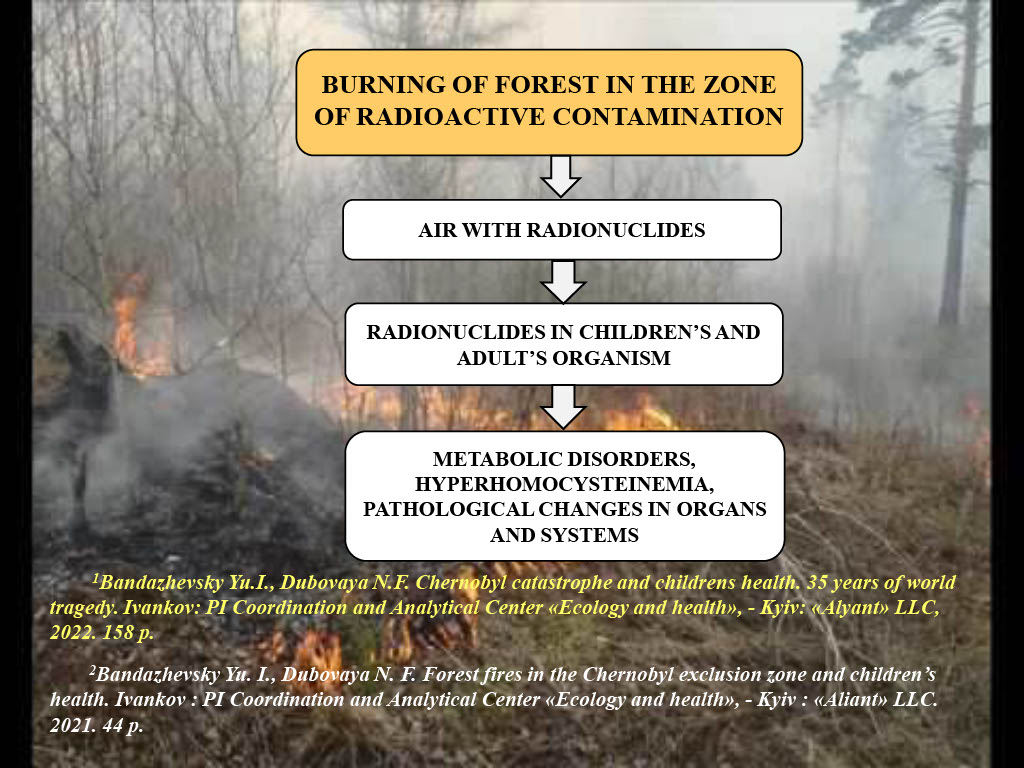
Radiation exposure of residents of the affected areas is facilitated by forest fires
in the Chornobyl Exclusion Zone (ChEZ), as well as the use of wood containing
radioactive elements.
For many decades, millions of people have lived and continue to live under
conditions of constant radiation exposure.
In the first decade after the Chornobyl accident, 137Cs intake by children and
adults was significant, allowing us to determine the incorporation of this
radionuclide into individual internal organs.
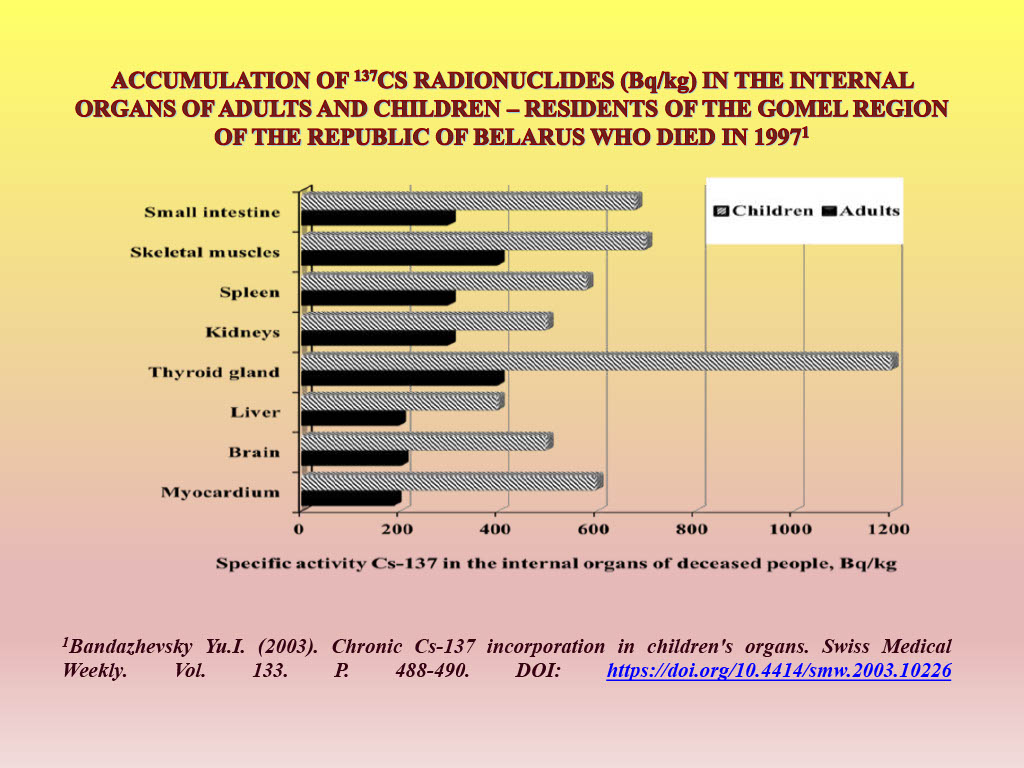
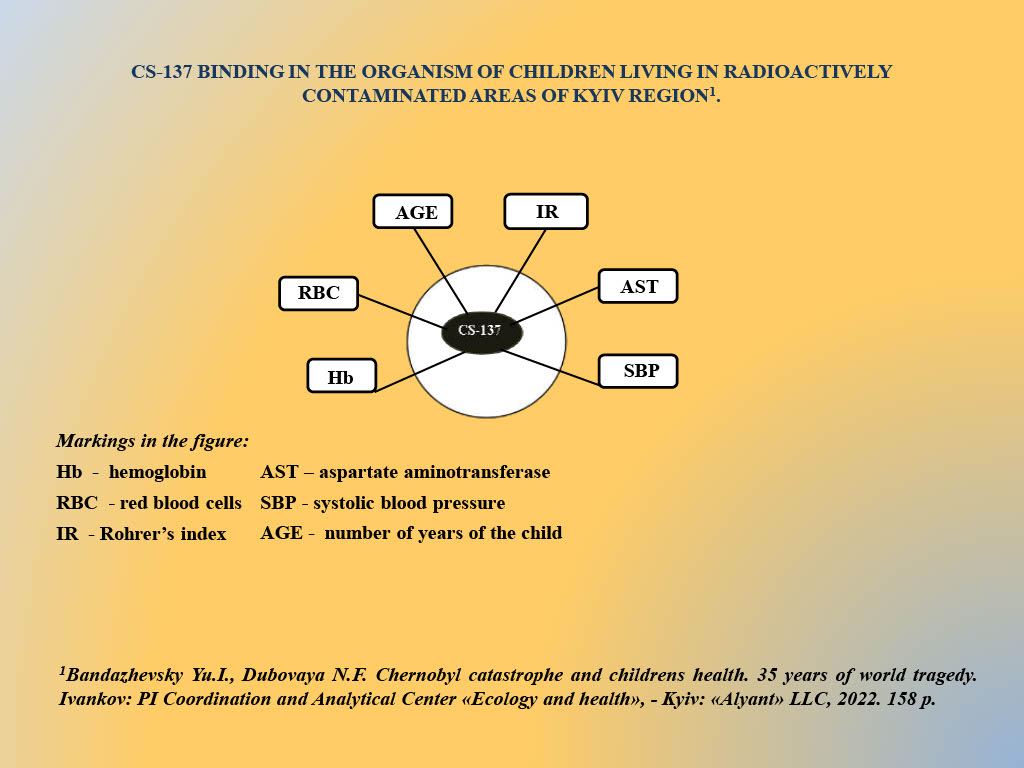
Contrary to previous belief, we have established that 137Cs is intensively
absorbed by the thyroid and pancreas, liver, kidneys, heart muscle, and even the
brain [1] (slide 2).
Slide 2
To assess the impact of 137Cs radionuclides on metabolic processes in the bodies
of residents of the affected areas, we conducted numerous clinical, instrumental,
pathological, and biochemical studies of children and adults, as well as
experiments on laboratory animals.
These studies assessed structural and metabolic changes in vital organs at
varying specific activity levels of 137Cs in the body.
The simultaneous penetration of 137Cs into the tissue of the heart, liver, kidneys,
thyroid gland, and other internal organs caused damage to their cellular
structures, resulting in the syndrome of incorporated long-lived radionuclides
(SLIR) [2]. The underlying pathological processes are mitochondrial damage
and disruption of cellular energetics.
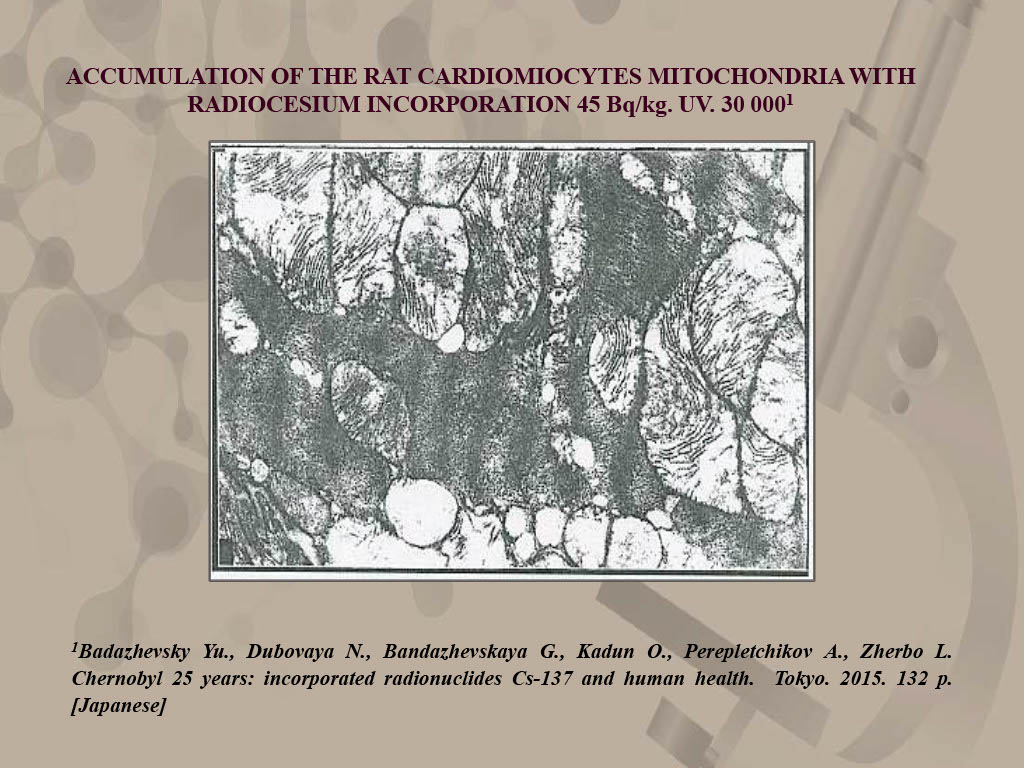
At a specific activity of 137Cs in the body of 30-50 Bq/kg, ultramicroscopic
examination revealed an increase in mitochondrial size and fusion in myocardial
cells, indicating not only damage but also the development of reparative
processes [2] (slide 3).
Slide 3
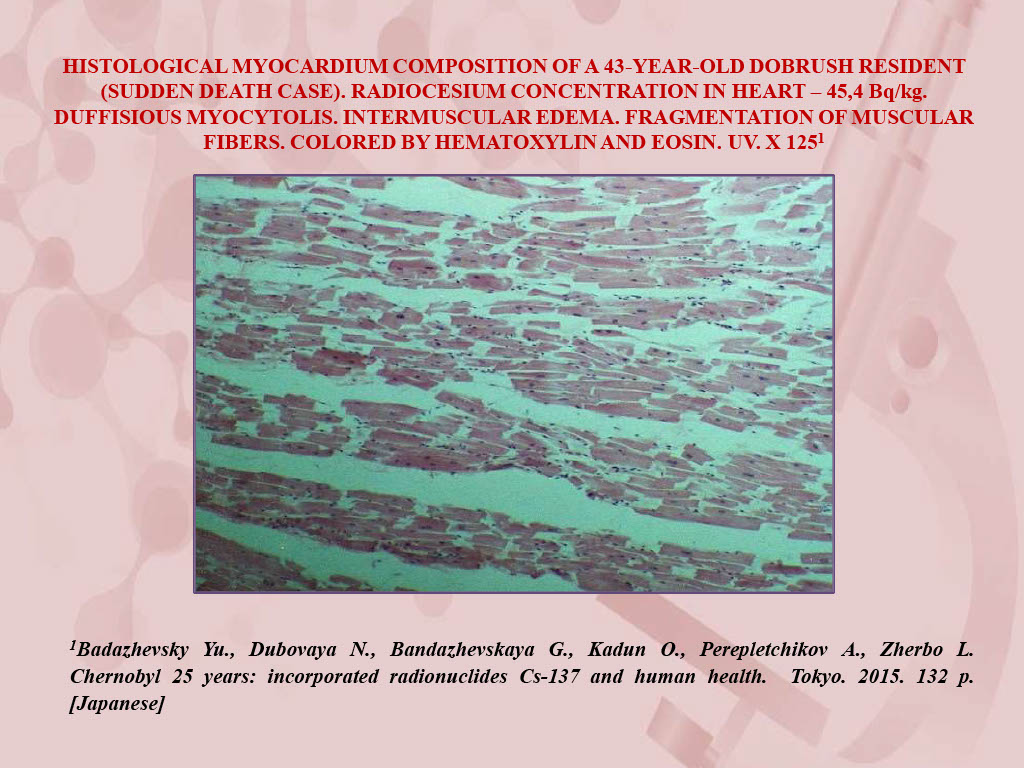
Furthermore, significant structural changes occurred in myocardial tissue, which
may be the cause of death [2] (slide 4).
Slide 4
During the studies conducted in Ukraine in 2013-2017 within the framework of
the projects of the European Commission and the Regional Council of Rhone-Alpes (France), in a group of children living near the ChEZ, damage to the
mitochondria of cardiomyocytes was detected in 37.5% of cases [3].
In these studies, mitochondrial damage in children's cardiomyocytes was
assessed based on the activity of serum transaminases—aspartate
aminotransferase (AST) and alanine aminotransferase (ALT).
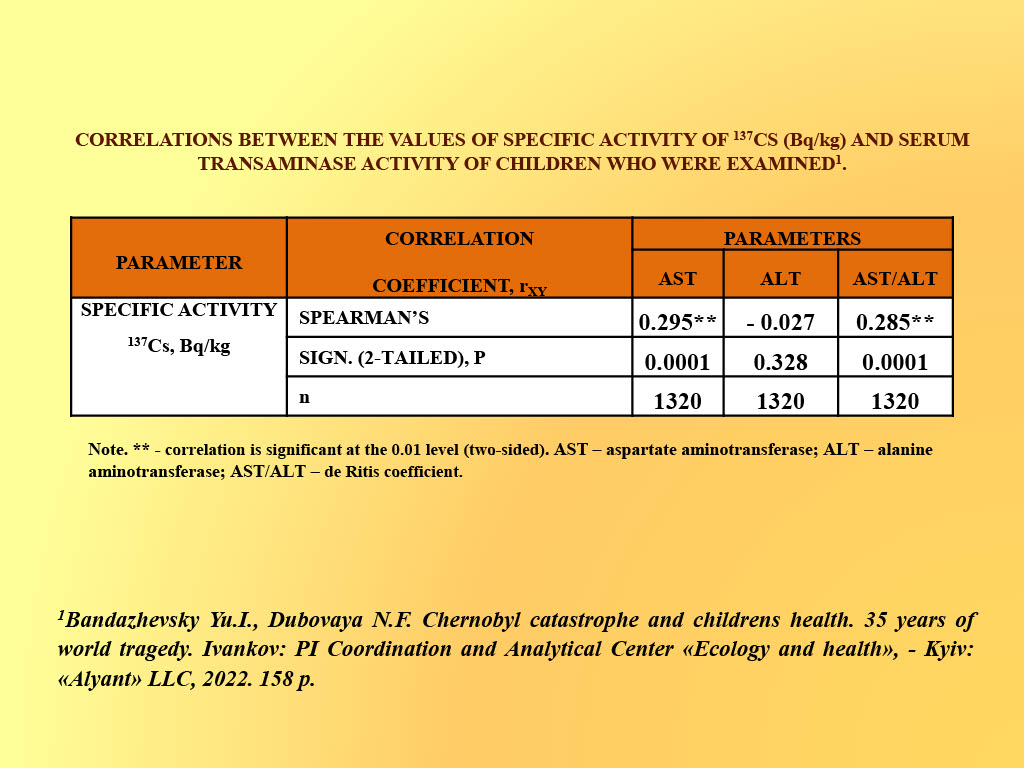
The negative impact of incorporated 137Cs radionuclides on the mitochondria of
cardiomyocytes in the children studied is reflected by the direct relationship
between 137Cs specific activity and serum AST levels [3] (slide 5).
Slide 5
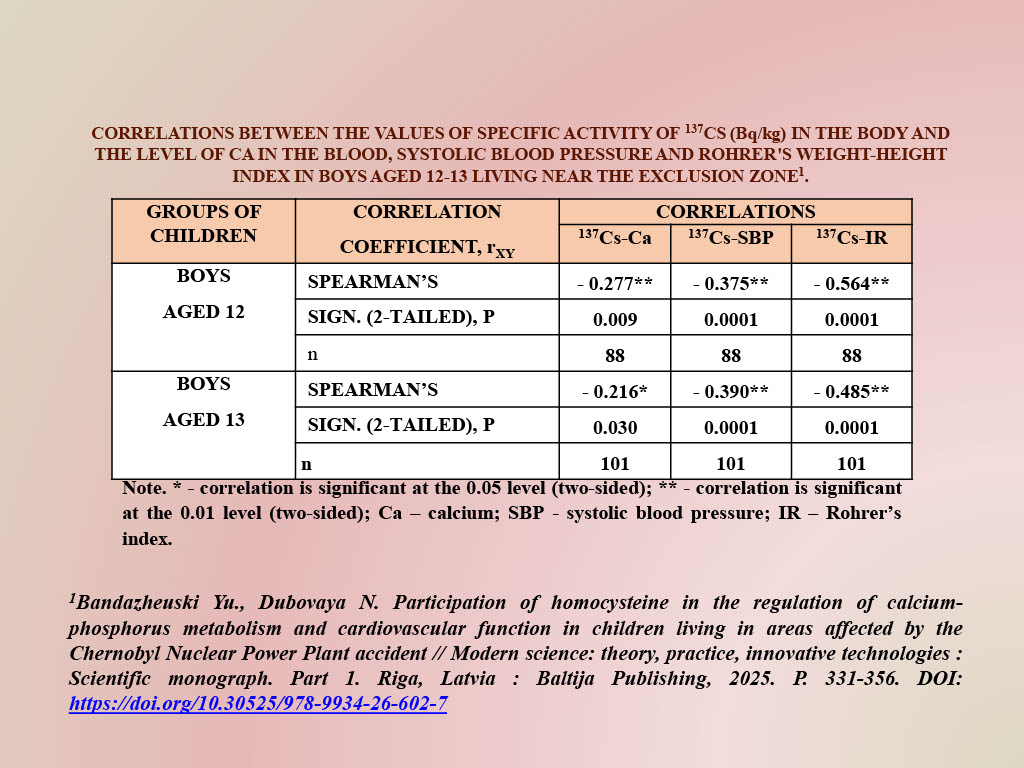
The inverse correlation between 137Cs specific activity in the body and serum
calcium concentration [4] (slide 6) reflects energy deficiency caused by
impaired mitochondrial function, which contributes to the disruption of the
ionic composition within the cells of the cardiac leading system and the
development of arrhythmias
The reduction in the energetic capacity of cardiomyocytes due to the influence
of incorporated 137Cs radionuclides leads to a decrease in the contractility of the
heart muscle, which leads to a decrease in blood pressure and a reduction in the
blood supply to organs and systems [4] (slide 6). This results in impaired
physical development of the child.
The negative impact of incorporated 137Cs on anabolic processes in the
developing child's body reflects the inverse correlation between the specific
activity of this radionuclide in the body and the Rohrer index values [4] (slide
6).
Slide 6
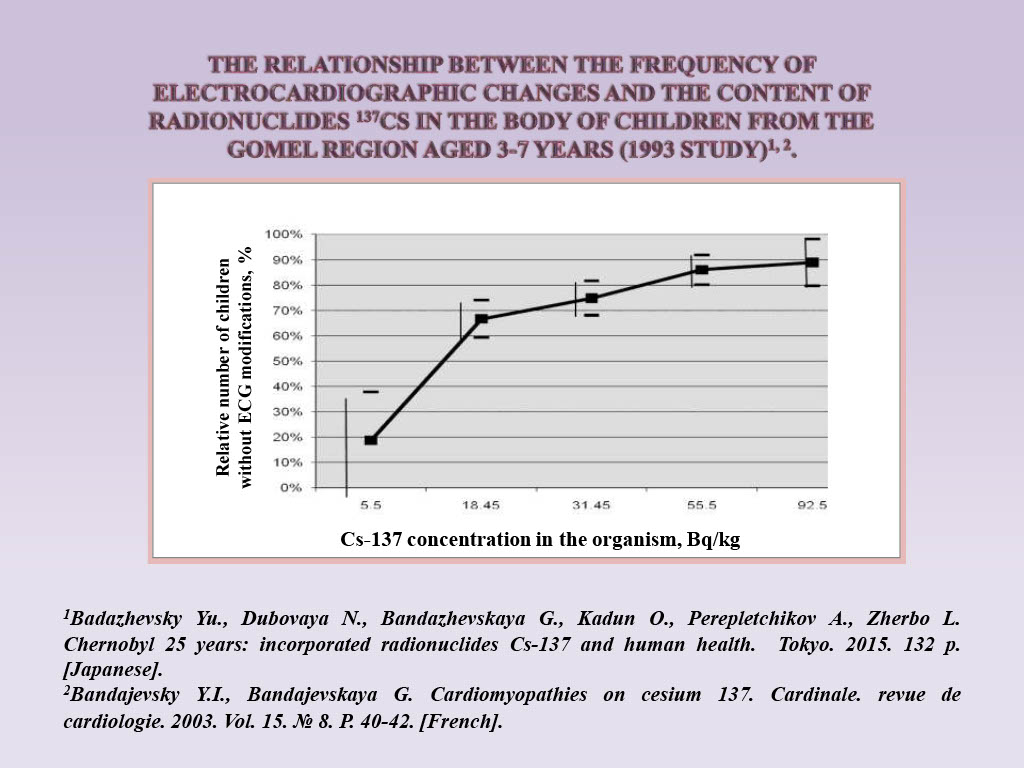
In the first decade after the Chornobyl accident, a direct correlation was found
between the frequency of electrocardiographic changes, predominantly
represented by incomplete right bundle branch block, and the specific activity of
137Cs in the body in a group of children living in the affected area [2, 5] (slide
7).
Slide 7
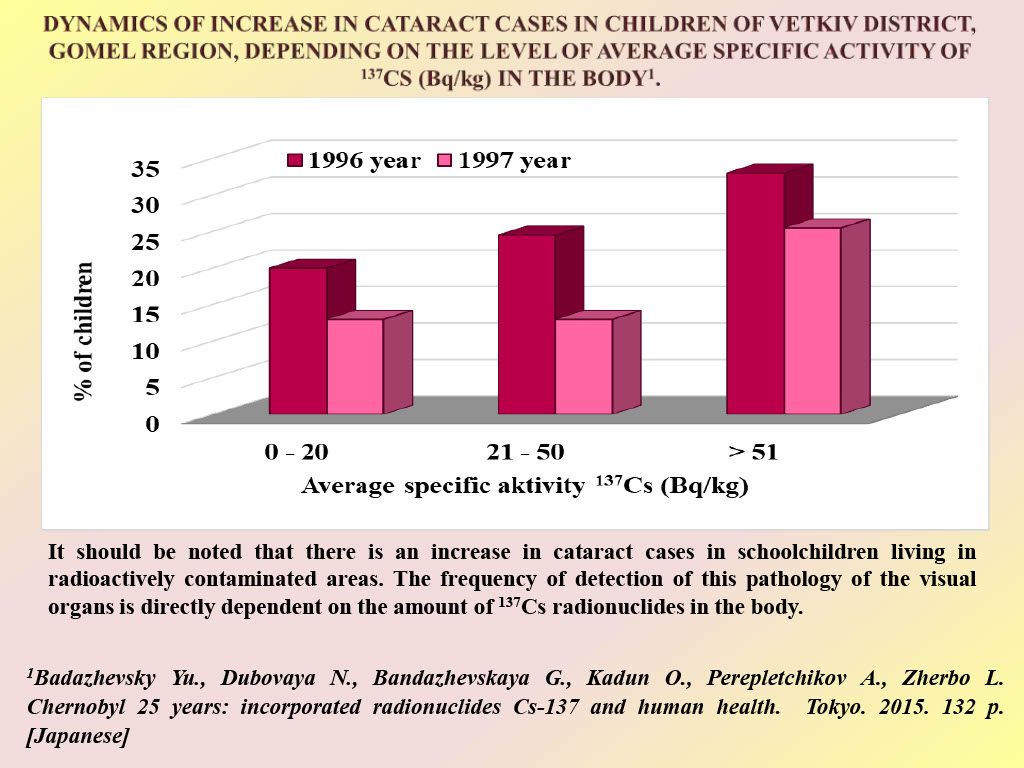
A similar correlation was found in the development of cataracts in children
living in areas with 137Cs soil contamination densities of 5-15 Ci/km2
and 15-40
Ci/km2
[2] (slide 8).
Slide 8
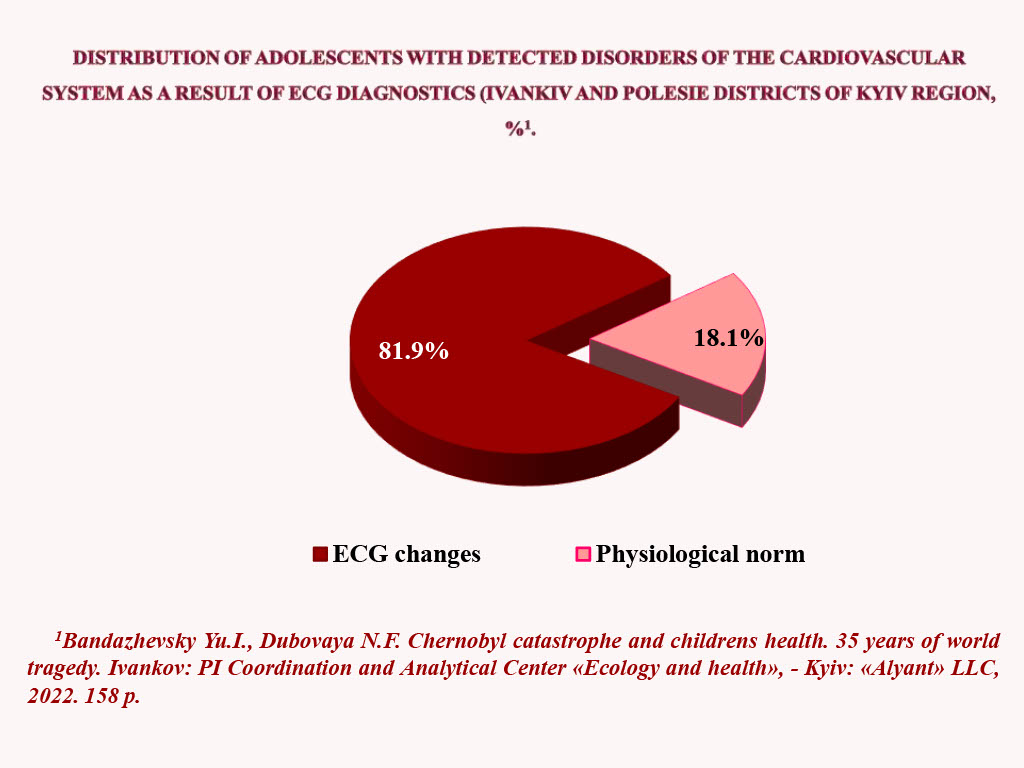
Heart rate disturbances were also detected in most children of the second
generation of Chornobyl survivors living near the ChEZ [3] (slide 9).
Slide 9
However, the specific activity of 137Cs in these children's bodies was
significantly lower than in children examined in the first decade after the
Chornobyl accident [6].
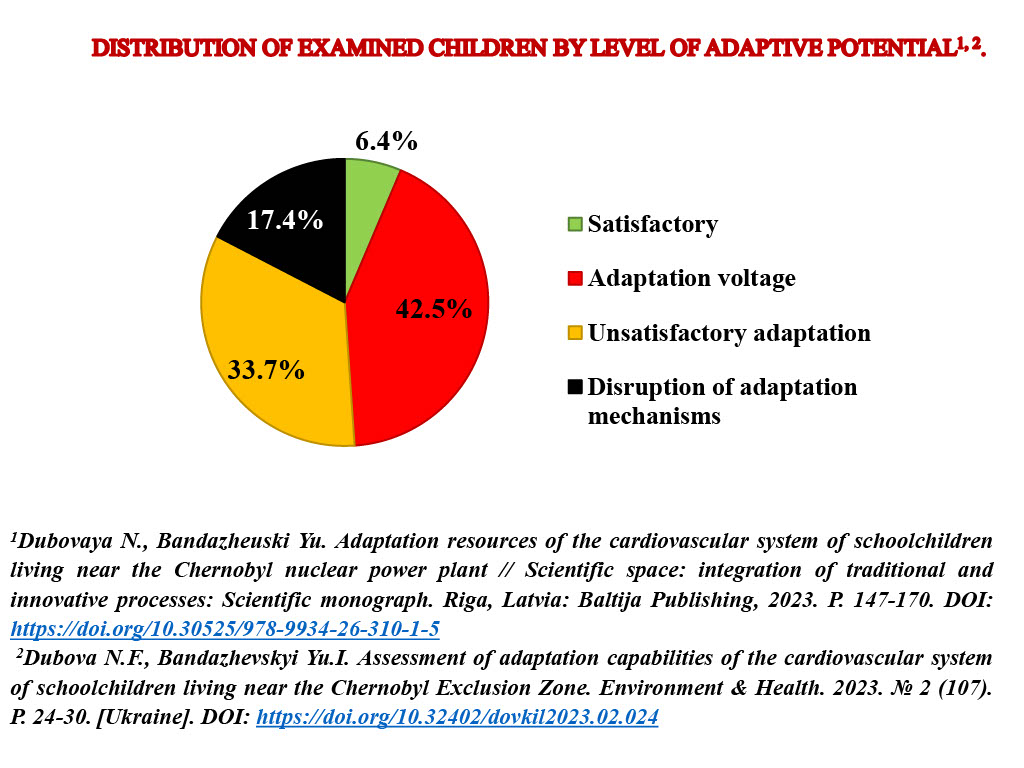
Mitochondrial dysfunction in children living near the ChEZ, which arose in the
late post-Chornobyl period under the influence of incorporated 137Cs, became
one of the main causes of impaired adaptation processes and reduced
cardiovascular reserve capacity.
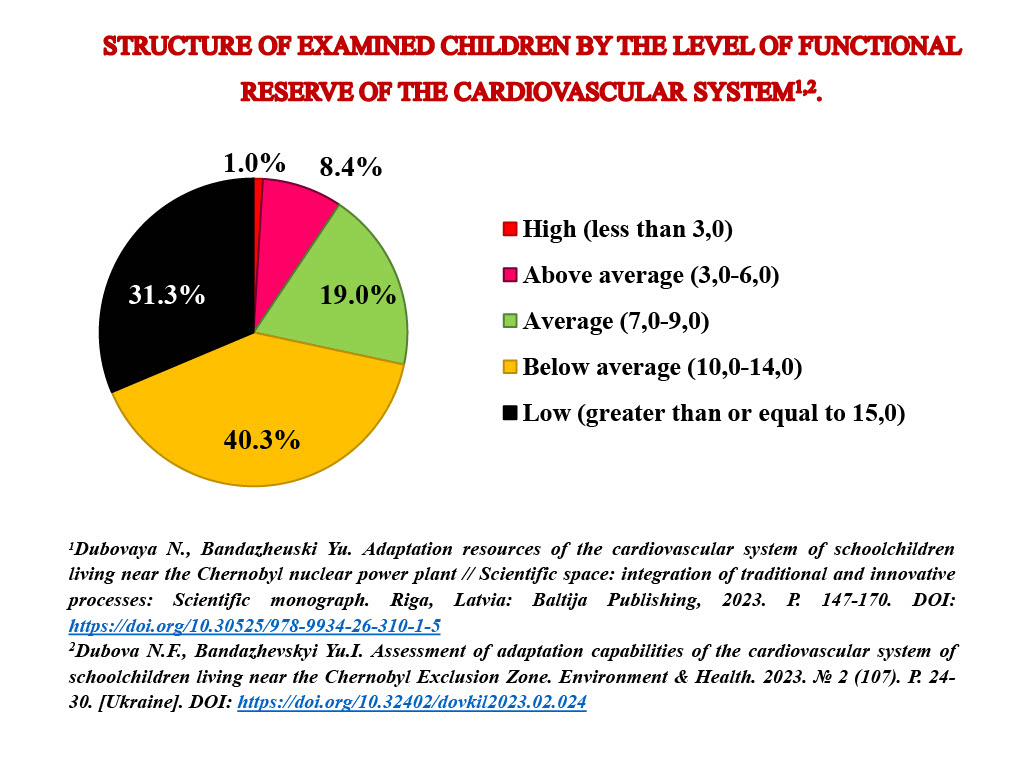
Poor adaptation and failure of adaptation mechanisms were recorded in 50% of
cases [7,8] (slide 10). Below-average cardiovascular functional reserve was
detected in 40.3% of cases, and low levels were detected in 31.3% of cases [7,8]
(slide 11).
Slide 10Slide 11
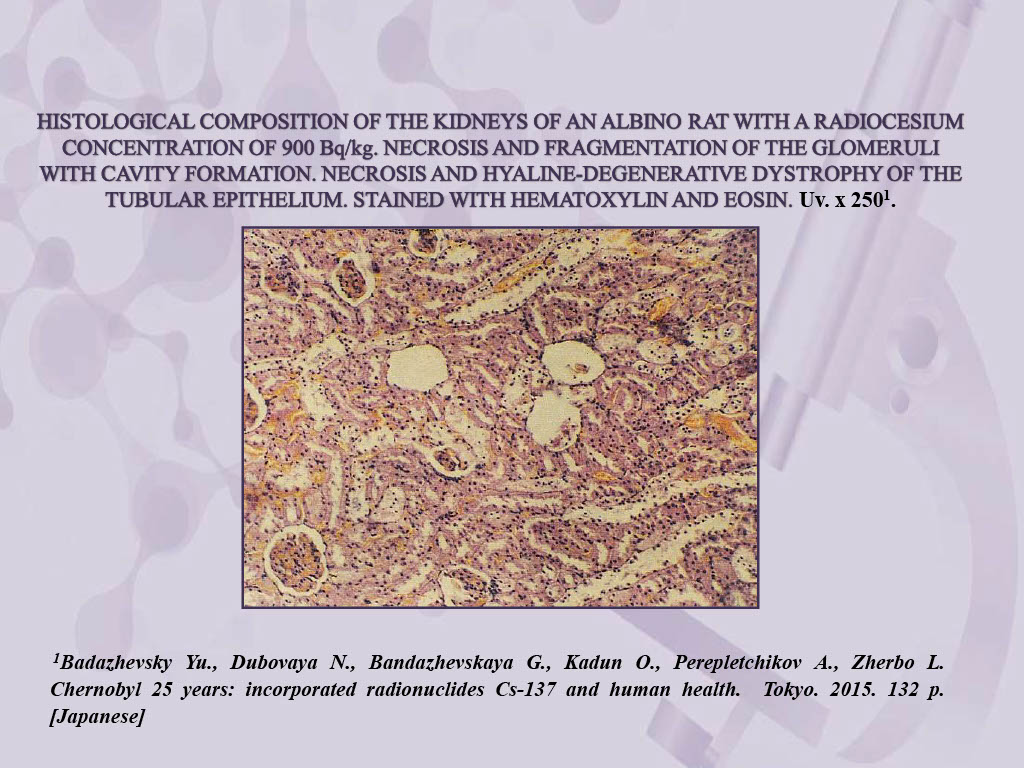
Pathological changes in the kidneys cause metabolic disorders in the body.
The kidneys are the organs that eliminate 137Cs from the body. The most
pronounced pathological changes were found in the glomerular apparatus. The
most common manifestation was progressive destruction of glomerular
structures, leading to complete disappearance—the "melting ice floe"
phenomenon [2] (slide 12).
Slide 12
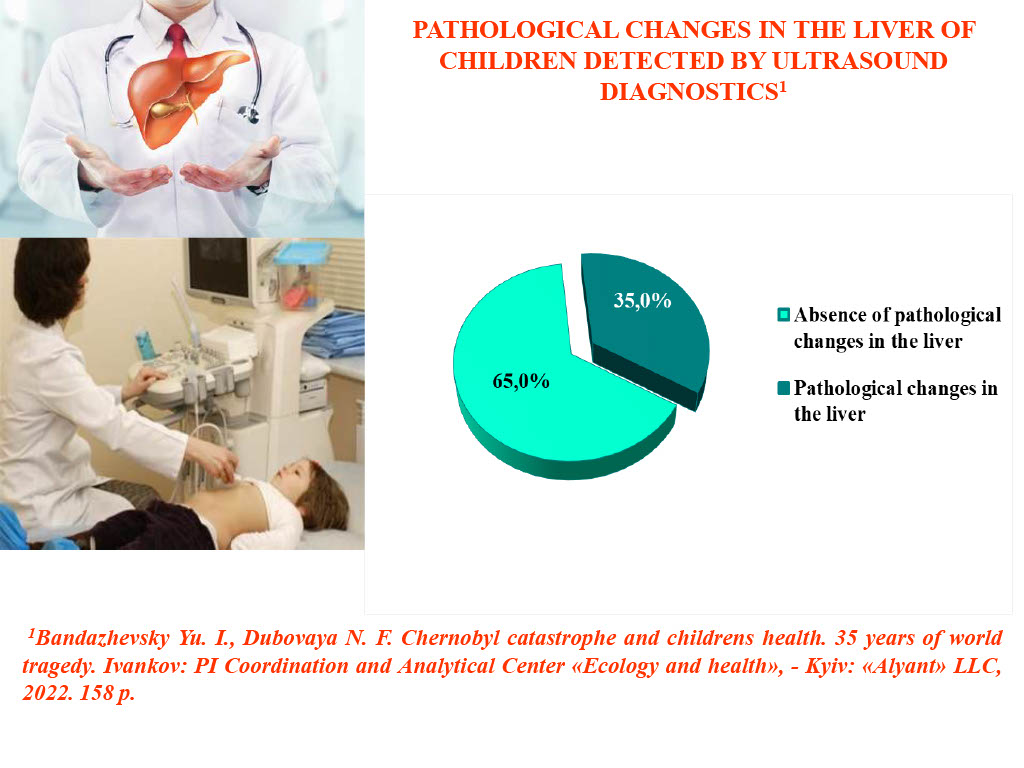
The results of ultrasound examination indicate serious structural changes in the
liver and metabolic disorders in 35.0% of children living near the ChEZ [3]
(slide 13).
Slide 13
Studies have revealed a direct correlation between the specific activity of 137Cs
in the body and indicators reflecting vital functions in children [3] (slide 14).
Slide 14
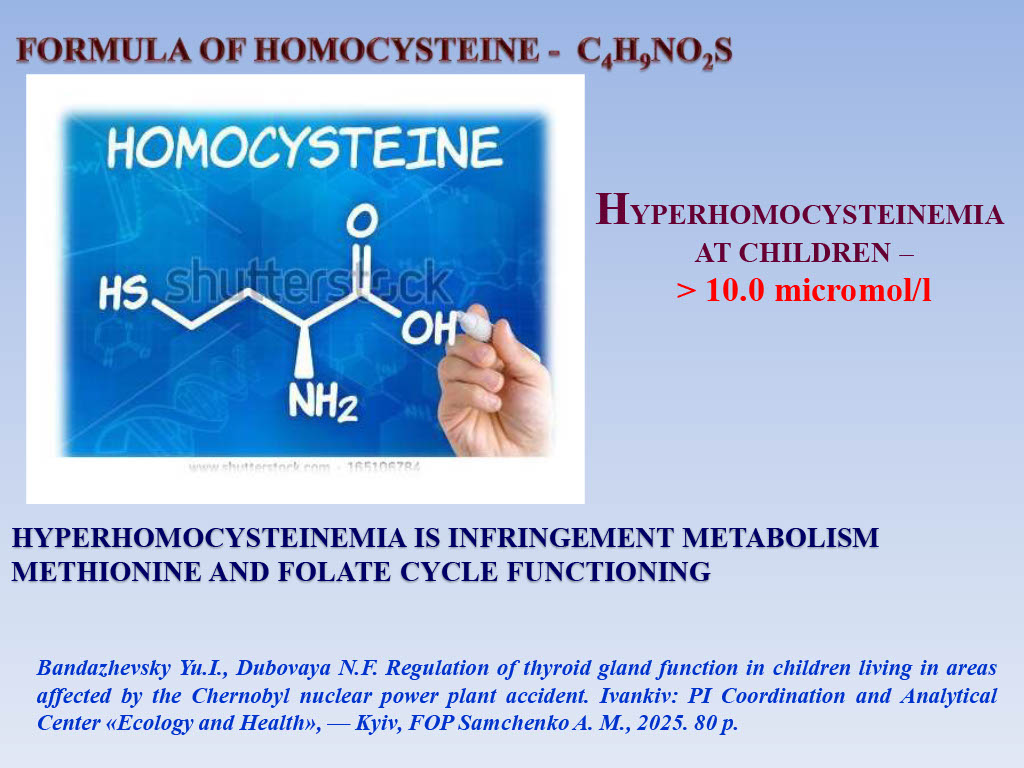
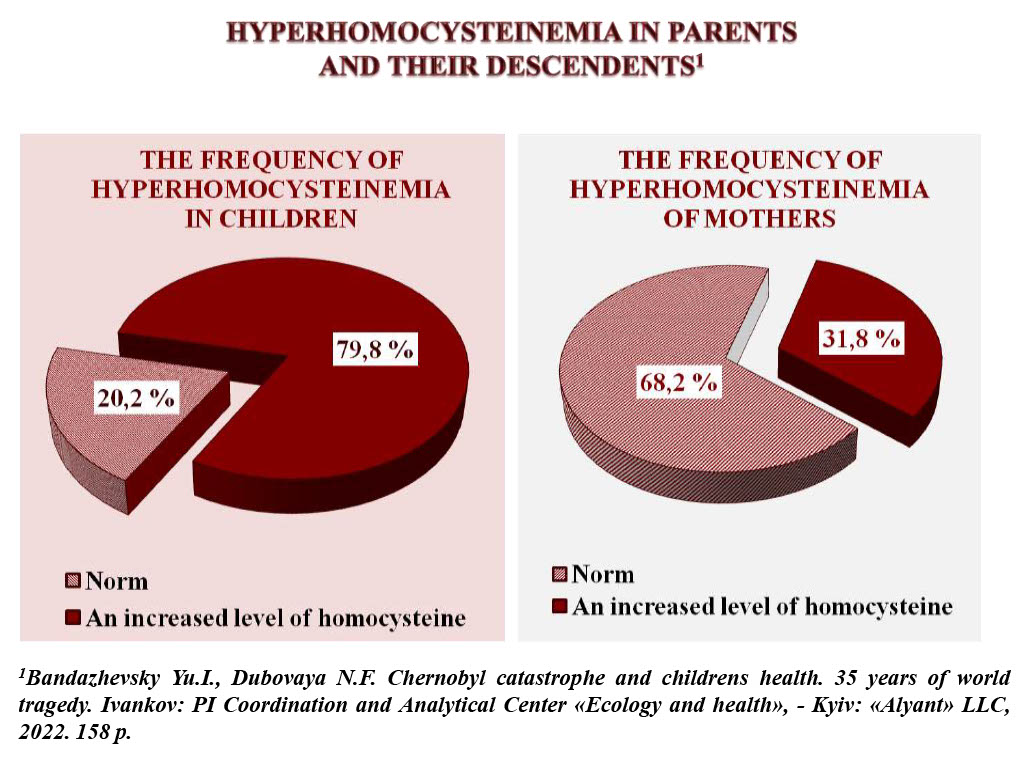
Under conditions of energy deficiency associated with the incorporation of 137Cs
into the body, a large number of children developed hyperhomocysteinemia—
elevated blood levels of the amino acid homocysteine.
Homocysteine is a sulfur-containing amino acid that is an intermediate in the
metabolic cycles of the essential amino acid methionine, which is a source of
methyl groups for the body [9] (slide 15).
Slide 15
Homocysteine levels in the blood reflect the efficiency of methylation of nucleic
acids and protein molecules.
An increase in homocysteine concentrations in the blood indicates a disruption
in its methylation and a decrease in the formation of endogenous methionine.
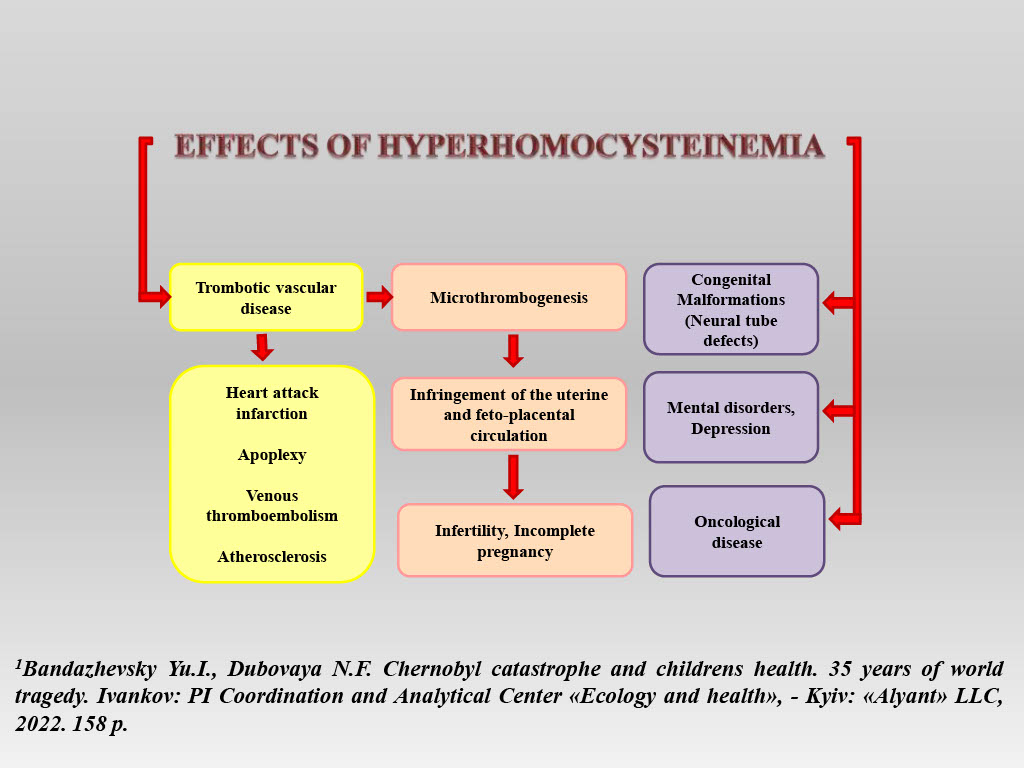
In adults, hyperhomocysteinemia is associated with a number of severe
cardiovascular diseases, oncological processes, and pathologies of the central
nervous system [3] (slide 16).
Slide 16
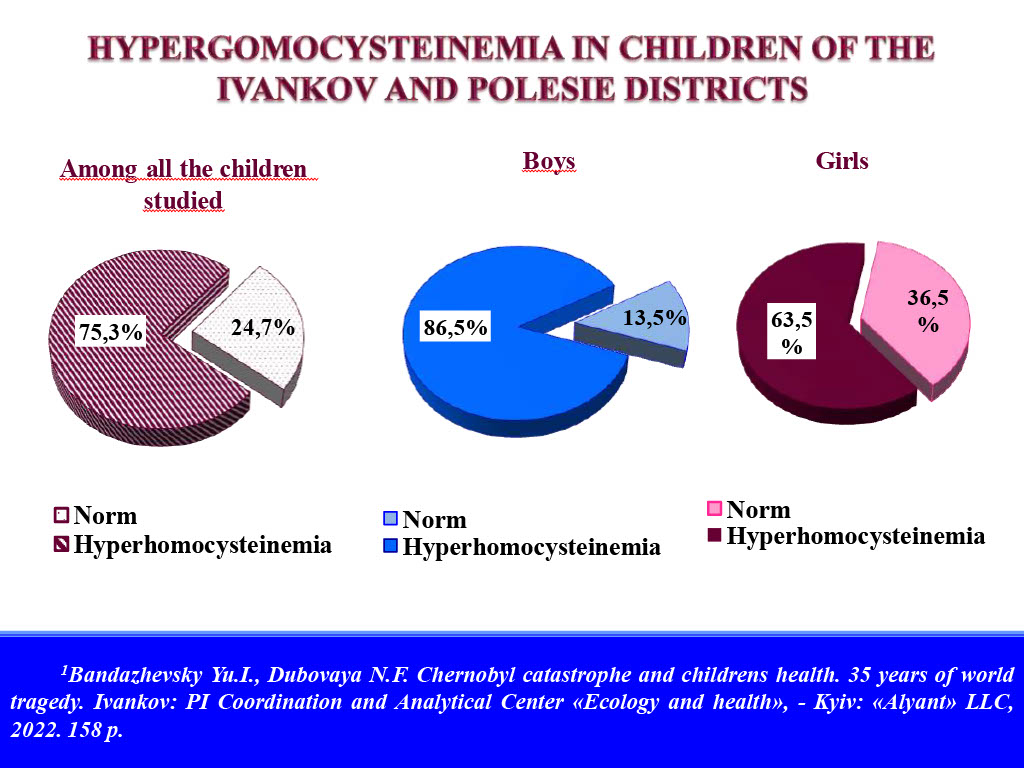
During the implementation of projects by the European Commission and the
Rhône-Alps Regional Council in 2015, hyperhomocysteinemia was identified
for the first time in a large number of children living near the ChEZ [3] (slide
17).
Slide 17
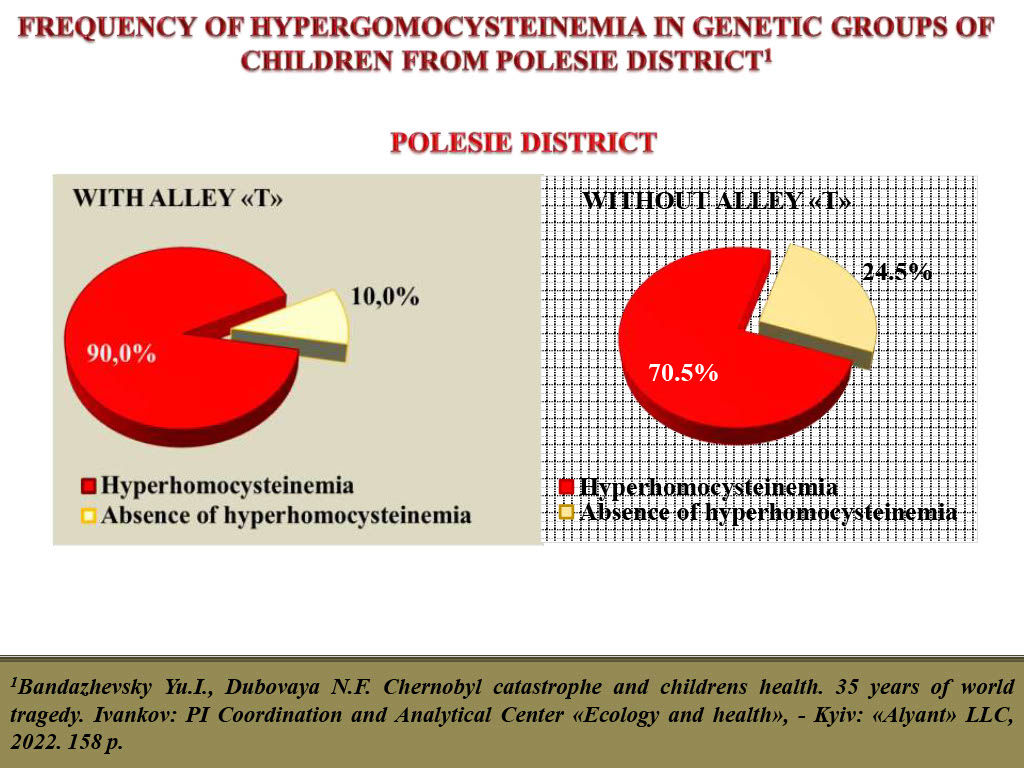
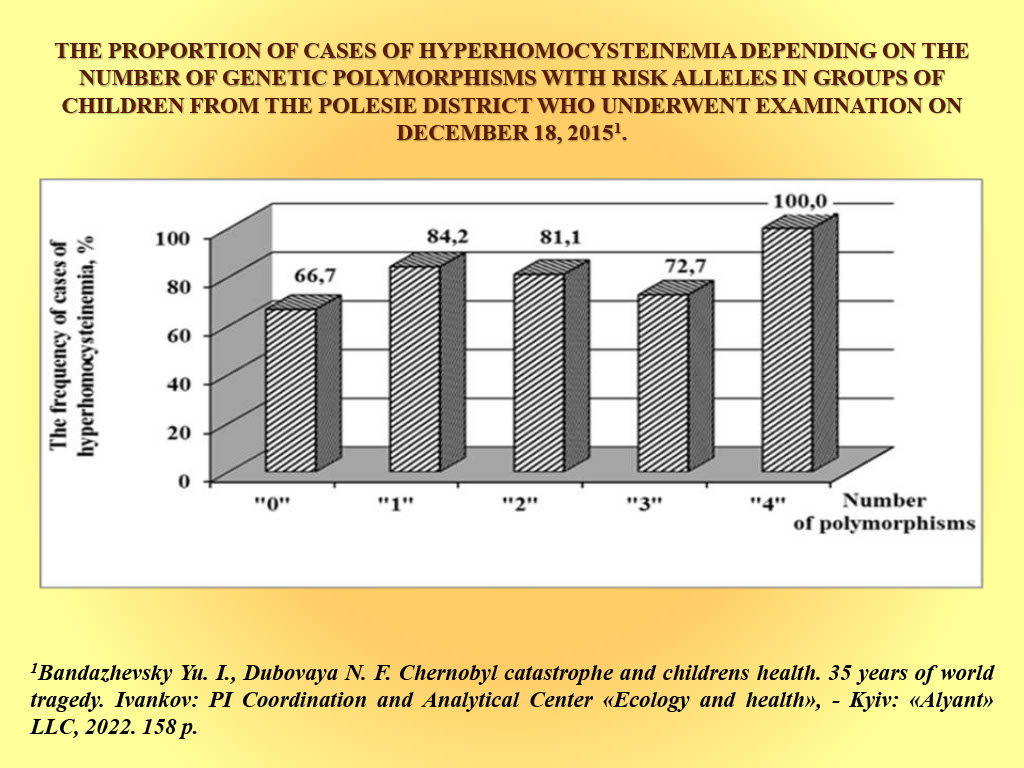
The highest number of cases of hyperhomocysteinemia was detected in the
group of children carrying the T allele of the MTHFR:677 genetic
polymorphism, due to its homozygous variant [3] (slide 18).
Slide 18
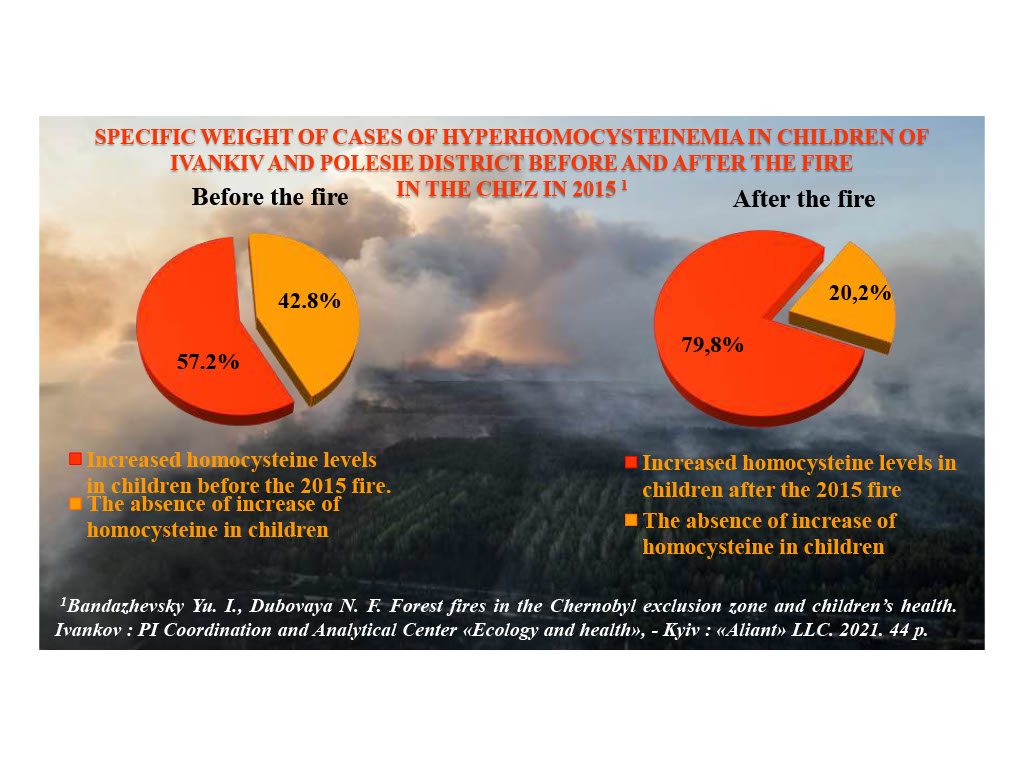
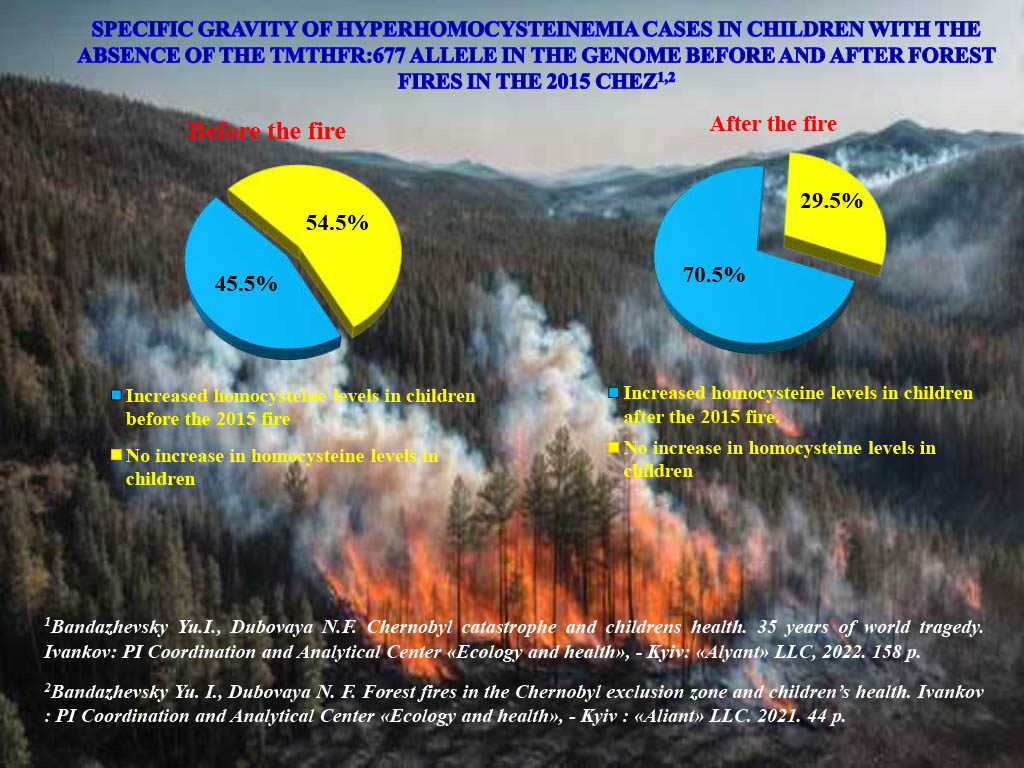
The increase in hyperhomocysteinemia cases in the study group of children
following the forest fires in the ChEZ was not associated with the T allele of
MTHFR:677 [3,10] (slides 19, 20, 21).
Slide 19Slide 20Slide 21
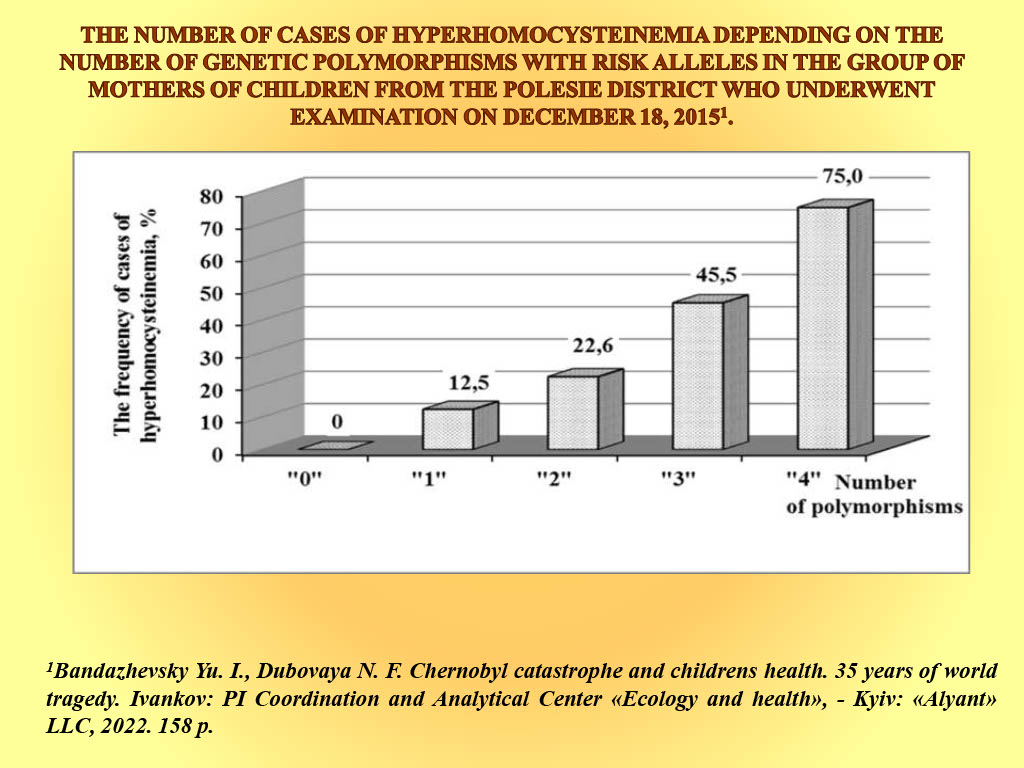
In most cases, elevated homocysteine levels in the children's blood were not
associated with folate cycle genes, unlike in their mothers, whose blood
homocysteine levels were dependent on the state of the genetic apparatus
controlling the methylation process [3] (slides 22, 23, 24).
Slide 22Slide 23Slide 24
Comprehensive laboratory and genetic studies have established that the cause of
hyperhomocysteinemia in children from areas affected by the Chornobyl
accident is impaired mitochondrial function and reduced energy potential in the
cells of vital organs.
After years of analytical research, it was concluded that hyperhomocysteinemia
in children living near the Chornobyl accident is not only a manifestation of a
pathological process associated with impaired secondary methionine formation,
but is also an element of the adaptive system aimed at correcting metabolism
under radiation exposure.
When homocysteine concentrations in the blood increase, a complex of
reactions is activated aimed at eliminating the causes of oxidative stress and
restoring mitochondria as energy sources.
This activates the transsulfuration reaction cycle, which utilizes homocysteine
to form cysteine and glutathione, an important component of the antioxidant
system [6].
This process is most pronounced in children living near the ChEZ, with a
disruption in the functioning of B12 methionine synthase due to the polymorphic
allele GMR:2756 in the genome [6].
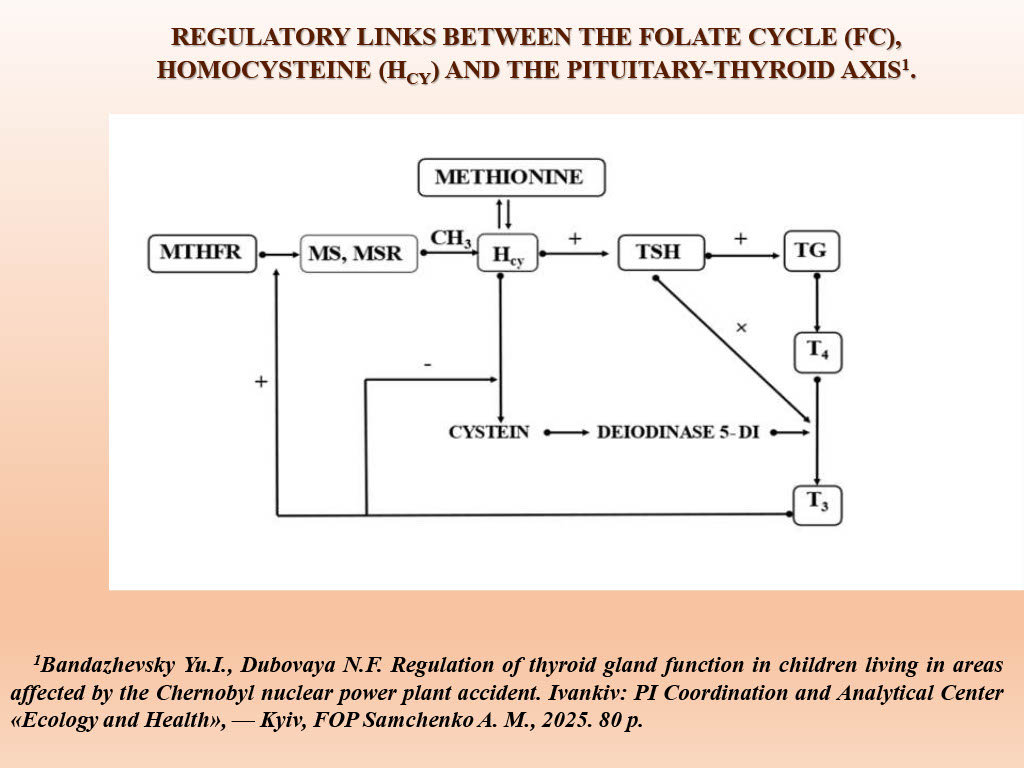
Homocysteine stimulates the formation of triiodothyronine, the active form of
thyroid hormone that can influence energy processes in the mitochondria [9]
(slide 25), as well as the formation of cortisol, which has an antioxidant effect
[6].
Slide 25
Furthermore, homocysteine promotes an increase in serum calcium
concentrations, thereby maintaining ionic balance between the vascular system
and tissues.
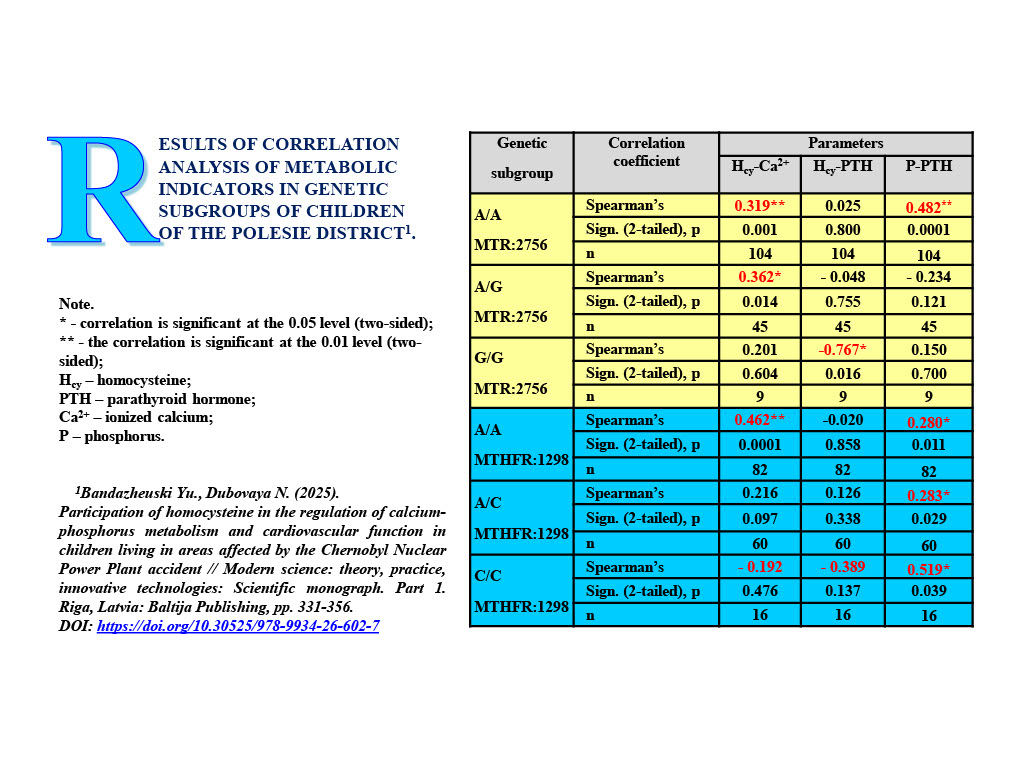
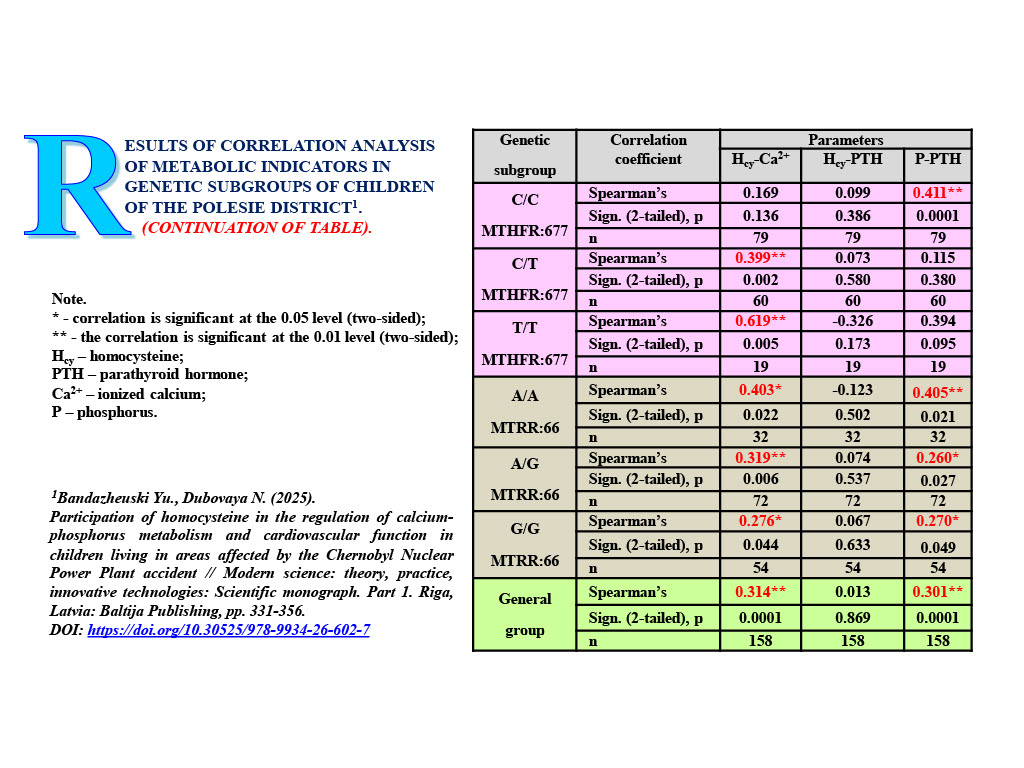
It is worth noting the subgroup of children carrying the T allele of the
MTHFRM:677 genetic polymorphism. This subgroup demonstrated the
strongest direct association between homocysteine and serum calcium [4]
(slides 26, 27).
Slide 26Slide 27
In the course of studies conducted in most genetic subgroups, a direct
association was found between serum phosphorus and parathyroid hormone,
indicating the body's ability to excrete phosphorus through the glomerular
structures of the kidneys.
The absence of this association in the subgroups of children with the G alleles
of MTR:2756 and T alleles of MTHFR:677 is a manifestation of a disorder of
phosphorus metabolism.
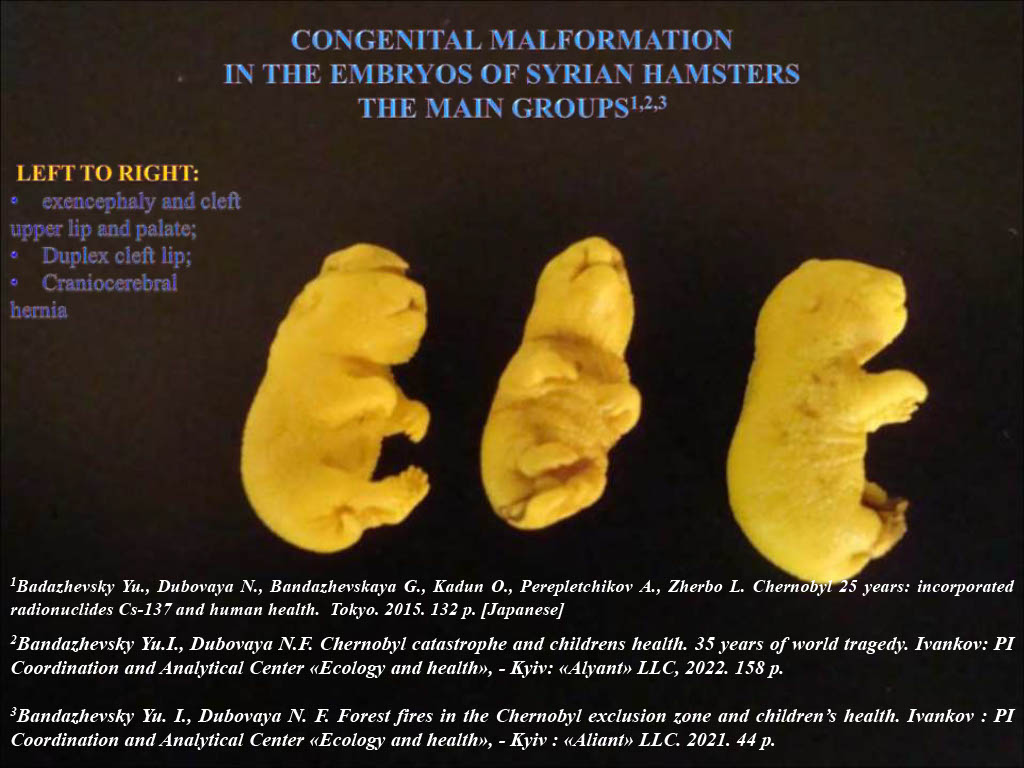
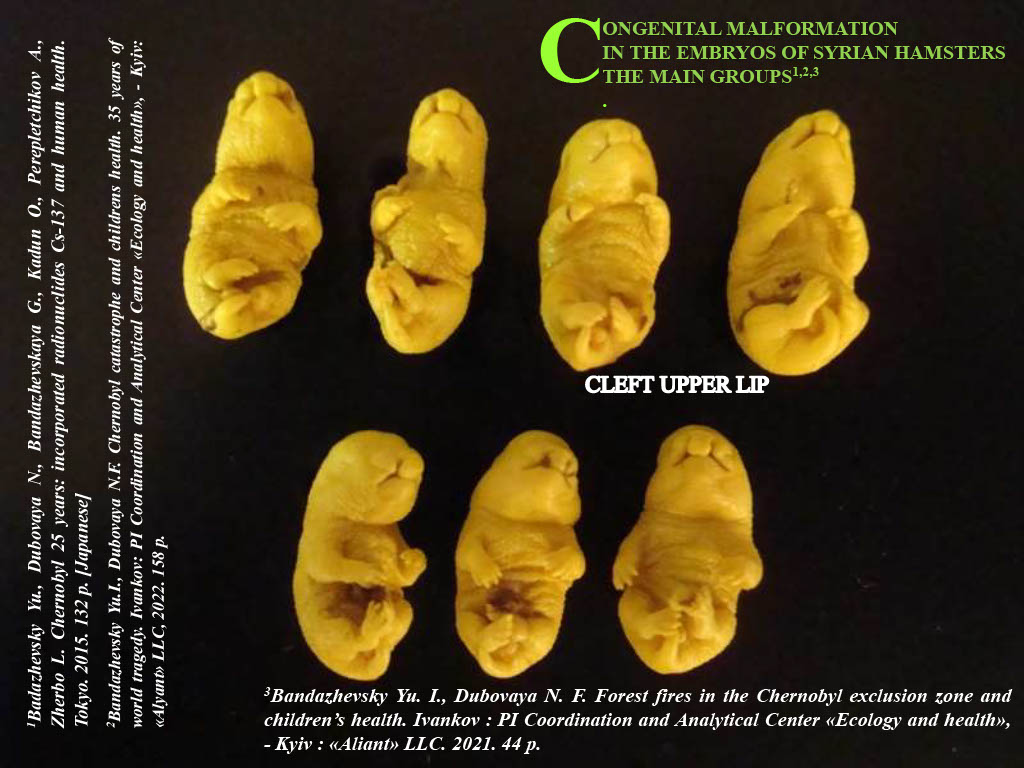
Clinical observations and experiments with laboratory animals have revealed
the teratogenic effect of 137Cs radionuclides incorporated into the body.
Congenital malformations belonged to a group of multifactorial defects
associated with genetic and environmental factors. They involved the brain and
facial region of the skull [2,3,10] (slides 28, 29).
Slide 28Slide 29
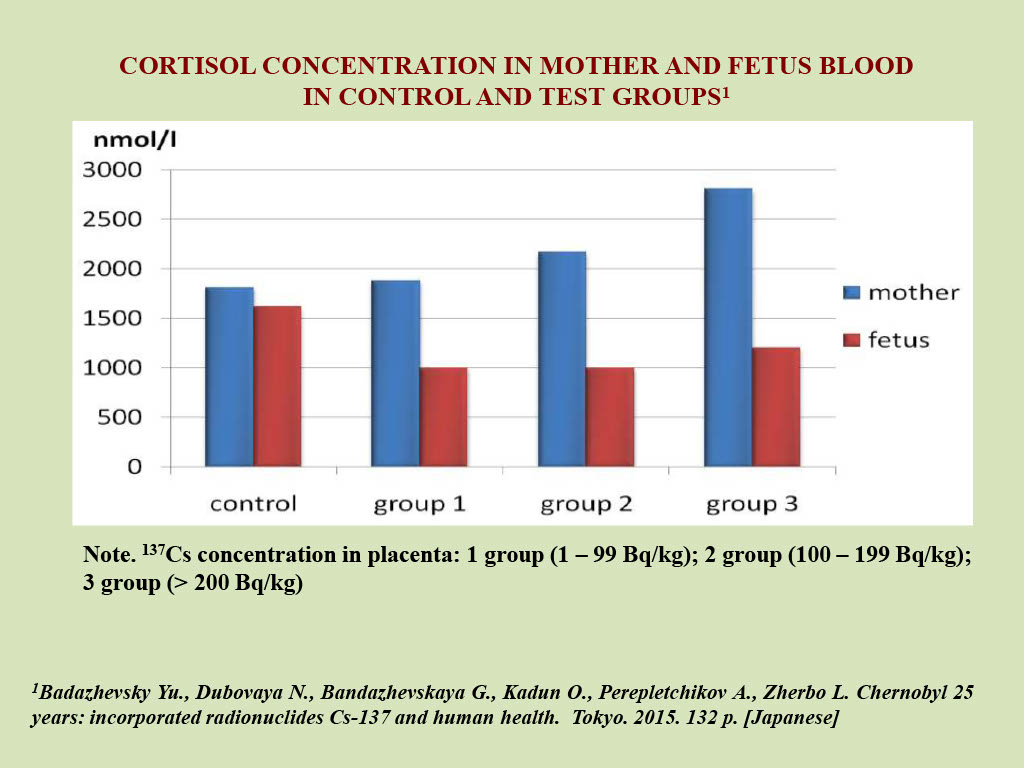
The effect of 137Cs radionuclides on the fetus during pregnancy disrupts the
development of nonspecific and specific resistance in the developing organism.
At the same time, fetal blood cortisol levels decrease [2] (slide 30).
Slide 30
The information obtained during the implementation of projects of the European
Commission and the Rhône-Alps Regional Council in Ukraine allows us to
conclude that intrauterine developmental disorders induced by incorporated
137Cs are associated with the process of methylation of nucleic acids and
proteins.
These studies allow us to draw the following conclusion regarding the human
population living in areas where soils are contaminated with radionuclides as a
result of the Chornobyl accident.
In the first decade after the Chornobyl accident, adults and children develop
oncological diseases of the thyroid gland and internal organs, cardiopathology,
pathology of the central nervous system and internal organs associated with
exposure to relatively large doses of short- and long-lived radionuclides.
A syndrome of incorporated long-lived radionuclides is characteristic.
During this period, antenatal and postnatal ontogenesis are disrupted, and
congenital malformations of a multifactorial nature arise.
In the late period following the Chornobyl accident, adults develop cancer,
cardiac pathologies, and pathologies of internal organs and the central nervous
system.
Children of the second generation of Chornobyl survivors have been diagnosed
with congenital structural and functional disorders of their internal organs,
nervous system, and musculoskeletal system. Reduced adaptive capacity of
children leads to cardiovascular, infectious, and oncological diseases, as well as
decreased resistance to radiation, chemical, and physical agents.
Hyperhomocysteinemia in most children of the second generation of Chornobyl
victims living near the ChEZ is a manifestation of a pathological process
affecting vital organs.
We believe this is due to the effects of 137Cs and other radionuclides on the
maternal-fetal system, which alters the regulatory relationships between
metabolic processes in vital organs in the developing organism. This results in a
decrease in the production of antioxidant system components, including
cortisol. This, upon incorporation of 137Cs, leads to mitochondrial damage and,
consequently, to disruption of homocysteine methylation and a decrease in the
formation of endogenous methionine and adenosylmethionine, the main source
of methyl groups.
However, in some cases, hyperhomocysteinemia is a component of the body's
adaptive response to radiation exposure.
References:
1. Bandazhevsky Yu. I. Chronic Cs-137 incorporation in children's
organs. Swiss Medical Weekly. 2003. Vol. 133. P. 488 - 490.
https://doi.org/10.4414/smw.2003.10226
2. Badazhevsky Yu., Dubovaya N., Bandazhevskaya G., Kadun O.,
Perepletchikov A. Zherbo L., Chornobyl 25 years: incorporated
radionuclides Cs-137 and human health. - Tokyo. - 2015. - 132 p.
[Japanese]
3. Bandazhevsky Yu. I., Dubovaya N. F. Chornobyl catastrophe and
childrens health. 35 years of world tragedy. Ivankov: PI Coordination
and Analytical Center «Ecology and health», - Kyiv: «Alyant» LLC,
2022. 158 p. ISBN 978-617-7819-29-4
4. Bandazheuski Yu., Dubovaya N. Participation of homocysteine in the
regulation of calcium-phosphorus metabolism and cardiovascular
function in children living in areas affected by the Chornobyl Nuclear
Power Plant accident // Modern science: theory, practice, innovative
technologies : Scientific monograph. Part 1. Riga, Latvia : Baltija
Publishing, 2025. P. 331-356. DOI: https://doi.org/10.30525/978-9934-26-602-7 (ISBN: 978-9934-26-602-7)
5. Bandajevsky Y. I., Bandajevskaya G. Cardiomyopathies on cesium
137. Cardinale. revue de cardiologie. 2003. Vol. 15. № 8. P. 40-42.
(French).
6. Bandazheuski Yu., Dubovaya N. Folate cycle genes and adaptation
processes in children living near the Chornobyl Exclusion Zone //
Transformation of the scientific area in the context of contemporary
challenges : Scientific monograph. Riga, Latvia : Baltija Publishing,
2025. P. 242-260. DOI: https://doi.org/10.30525/978-9934-26-631-7-10 (ISBN: 978-9934-26-631-7).
7. Dubovaya N., Bandazheuski Yu. Adaptation resources of the
cardiovascular system of schoolchildren living near the Chornobyl
nuclear power plant // Scientific space: integration of traditional and
innovative processes: Scientific monograph. Riga, Latvia: Baltija
Publishing, 2023. P. 147-170. DOI: https://doi.org/10.30525/978-9934-26-310-1-5
8. Дубова Н. Ф., Бандажевський Ю. І. Оцiнка адаптацiйних
можливостей серцево-судинноi системы школярiв, якi мешкають
поблизу Чорнобильськоi зони вiдчуження. Environment &
Health.2023. № 2 (107). P.24-30.
https://doi.org/10.32402/dovkil2023.02.024
9. Bandazhevsky Yu. I., Dubovaya N. F. Regulation of thyroid gland
function in children living in areas affected by the Chornobyl nuclear
power plant ассident. Ivankiv: PI Coordination and Analytical Center
«Ecology and Health», — Kyiv, FOP Samchenko A. M., 2025. 80 р.
ISBN 978-617-8413-19-4
10. Bandazhevsky Yu. I., Dubovaya N. F. Forest fires in the Chornobyl
exclusion zone and children’s health. Ivankov : PI Coordination and
Analytical Center «Ecology and health», - Kyiv : «Aliant» LLC. 2021.
44 p. ISBN978-617-7819-10-2